
Working hub for developers and visitors
ra-yavuz
Project HubThe hub for all my open-source projects, with install paths, docs, and the signed apt repository.
Visit ra-yavuz.github.io ↗


Independent tools, daemons, engines, and protocols. Each one solves a small problem the way I wanted it solved.
The hub for all my open-source projects, with install paths, docs, and the signed apt repository.
Visit ra-yavuz.github.io ↗
A small local MCP tool for two Codex chats: task handoffs, durable reports, session recovery, and clear turn ownership. Install from source with an agent-readable setup prompt.
Visit Agent Talks ↗
A kit for carrying useful coding-agent habits between models. It combines working instructions with hooks for supported Claude Code and Codex CLI versions. The hooks block selected command patterns; they are not a sandbox or a guarantee against bypasses. A small A/B evaluation reports results and limits. Installation instructions are in INSTALL-PROMPT.md.
Visit chiron docs ↗
Lets Claude Code decide what to say out loud. Most "speak Claude aloud" tools read every reply at you; this one leads with a speak skill that lets Claude voice only what is worth hearing (a "build is done", a heads-up while you look away, a shoutout), while everything else stays text. A speak-everything firehose (its own on/off switch, off by default) is included too, but the deliberate skill is the point. Local neural text-to-speech (Kokoro for natural English, Piper for German, Turkish, and more) runs in Docker, so nothing goes to the cloud. Install with npm install -g claude-can-speak.

Route a plain-language request to one of your own functions, using a deliberately weak local model. A small self-hosted, OpenAI-compatible API: you POST a sentence and a tiny model (the kind that runs on a Raspberry Pi or a phone) reads a short paginated menu of your registered functions, picks one, and edgecall runs it and returns the result. The model never sees the whole list at once; it pages through a few options at a time with a "next" choice, so all a weak model has to do is pick one item off a short menu. No embedding model, no index to maintain. Add a function by dropping in a Python file with an id and a one-line description. Talks to any OpenAI-compatible /v1 endpoint.

Run a Jev-style typed-decision API locally. local-jev setup creates its own runtime and downloads an open GGUF model. local-jev serve exposes /v1/systemone for yes/no, choice, and score questions. Instead of asking the model to write JSON, local-jev reads the next-token logits for the allowed answer letters and returns structured probabilities.
A publish/subscribe broker with client-side encryption for private channels. The client creates the shared secret locally and registers a derived authentication key. The broker stores encrypted payloads; endpoints and the secret still need protection. ntfy also supports access control, while doublethink adds a different payload-encryption design. Supports optional plaintext public topics, Docker or a native binary, and an Android notification client.
Visit doublethink docs ↗
An MCP server for two coding agents to exchange plans, decisions, and reports over a doublethink channel. Message payloads are encrypted; the broker can still observe channel and traffic metadata. Roles are assigned when a channel is created. Hooks surface partner updates in supported client versions.
Visit agent-doublethink docs ↗
Native KDE Plasma 6 panel widget for switching OpenVPN connections. Import, edit, remove and toggle .ovpn profiles from the panel; one VPN active at a time by default. Drives NetworkManager and KWallet directly, no second VPN daemon and no third-party PPA. Named after Portunus, the Roman god of keys and gates.
Visit portunus-ovpn docs ↗
How to build an always-on, autonomous AI operations assistant, and how to keep it diligent. A documentation project: the architecture of a persistent AI operator (per-invocation agent subprocess with a resumable session, supervisor, transport split, channel multiplexers, MCP tools) as a reference design, plus the load-bearing piece most write-ups skip: the doctrine + hooks pattern that re-asserts an engineering standard on every turn so an auto-approved agent keeps verifying before it acts, refuses workarounds, and never claims done without a real run.
Visit vigil docs ↗
apt install, then type rag <question> in either Claude Code or OpenAI's Codex CLI. UserPromptSubmit hooks for both CLIs from one package. The hook auto-indexes the project on first use, then prepends retrieved chunks from a local LanceDB index before the model sees the prompt. Both CLIs share the same .hydra-index/ store and the same bundled MCP server for model-decided retrieval. Successor to claude-rag-hook.

A local-first coder REPL with file and shell tools. Drop into any folder, bring your own LLM, ship code without leaving the terminal.
View lillycoder on GitHub ↗
Run local LLMs the easy way. Pick a model, download it, chat with it. No cloud, no API key, no telemetry.
Visit hydra-llm docs ↗
Enter a project goal and local models plan it, build it, and review it, with no hosted AI in the loop. A dark web UI shows each model as a live terminal. Built on hydra-llm and lillycoder, so it runs entirely on your own hardware.
Visit hydracoder docs ↗
Manages charging around a chosen target on supported Linux laptops. Uses the battery controls exposed by the driver and firmware.
Visit inhibit-charge docs ↗
Animated tray emoji that gossips about your machine. Sweats when the CPU is hot, naps when you are idle.
Visit meowtrics docs ↗
A Linux command-line tool with a refresh timer and local quote cache, for new terminals and text logins.
Visit herald docs ↗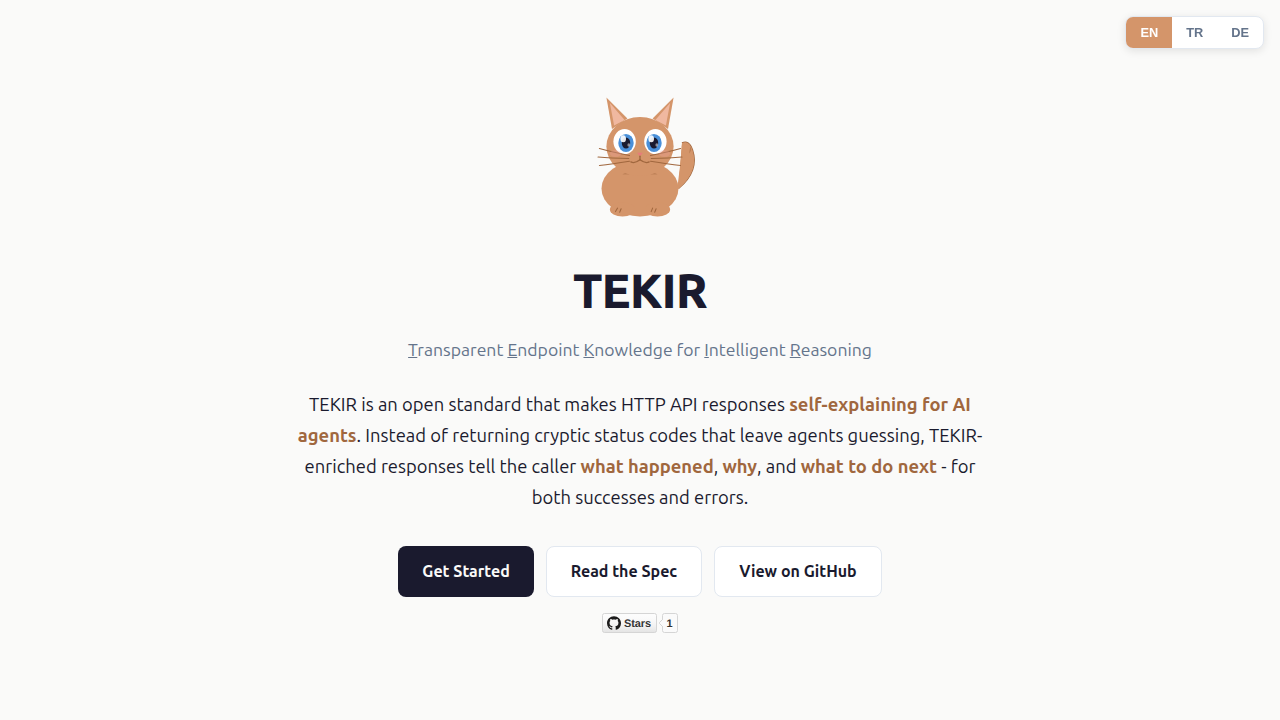
Self-explanatory HTTP responses for AI agents. An RFC 9457 extension that lets a service tell an agent why a request failed and what to try next, in a way the agent can actually parse.
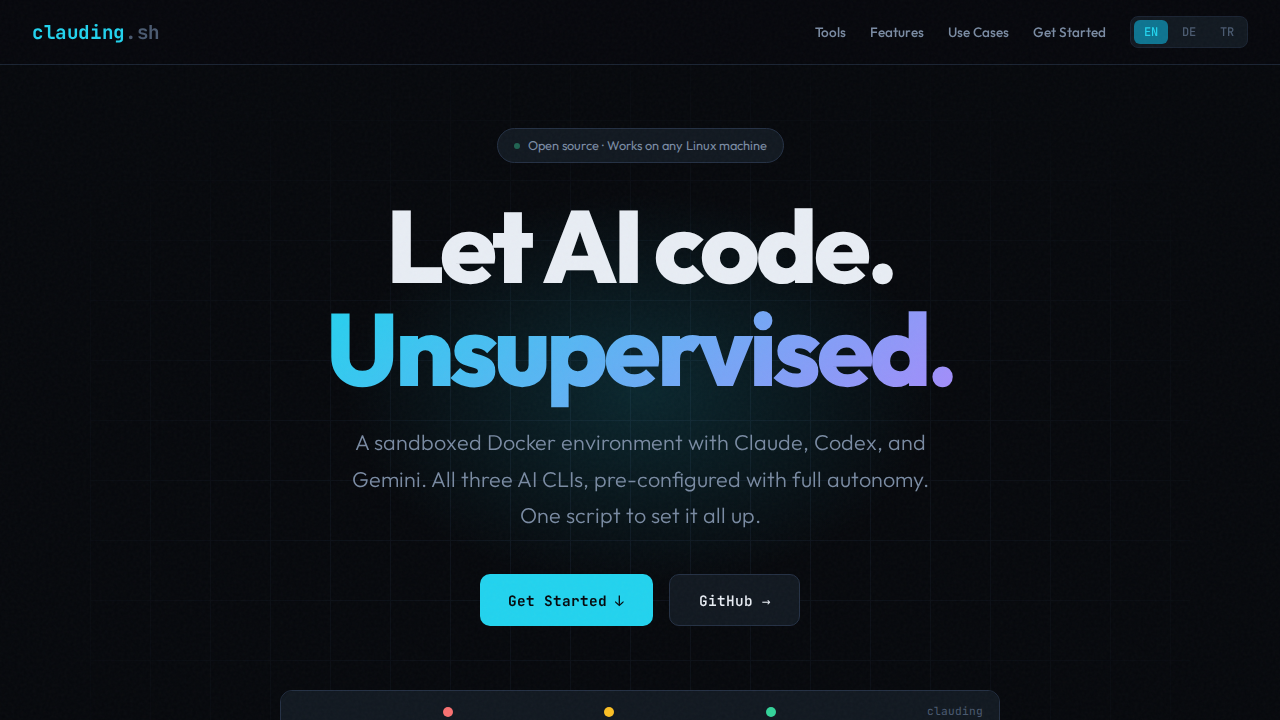
Autonomous AI dev environment that bundles Claude, Codex, and Gemini into one Docker stack. One command, one workspace, three agents.
Visit clauding docs ↗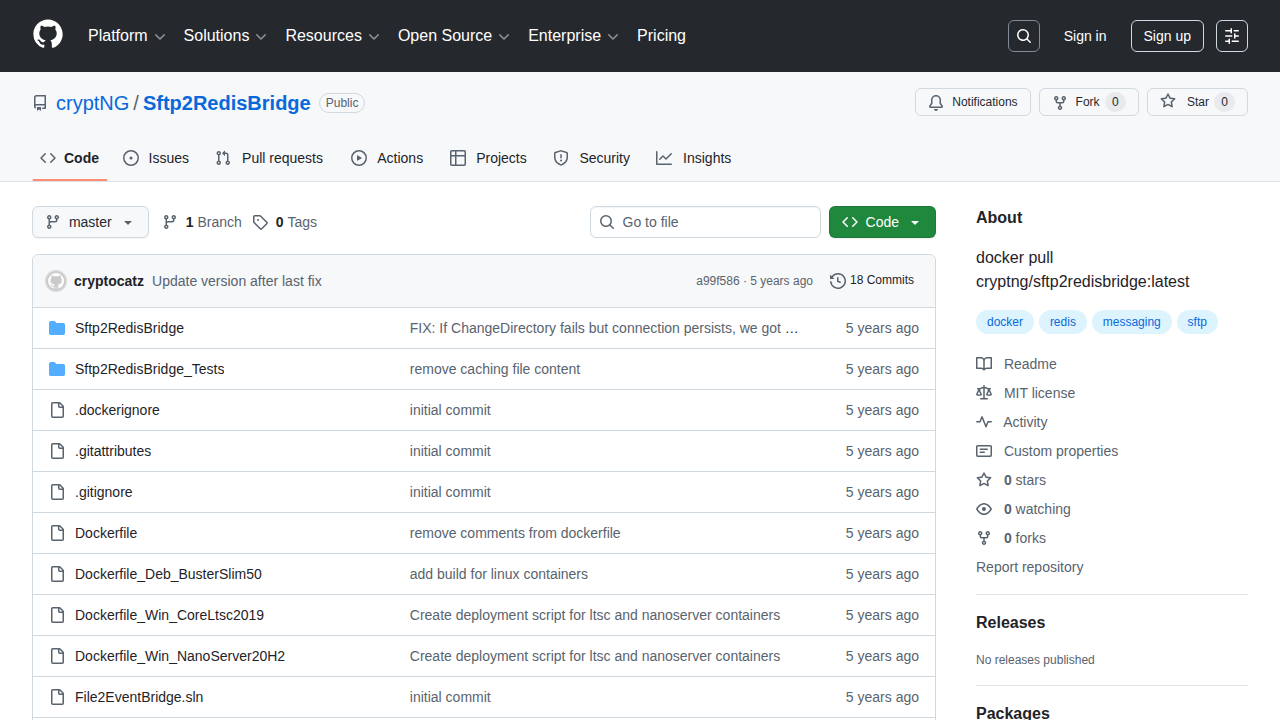
Bridge system that ingests files from SFTP into Redis streams for downstream processing.
View on GitHub ↗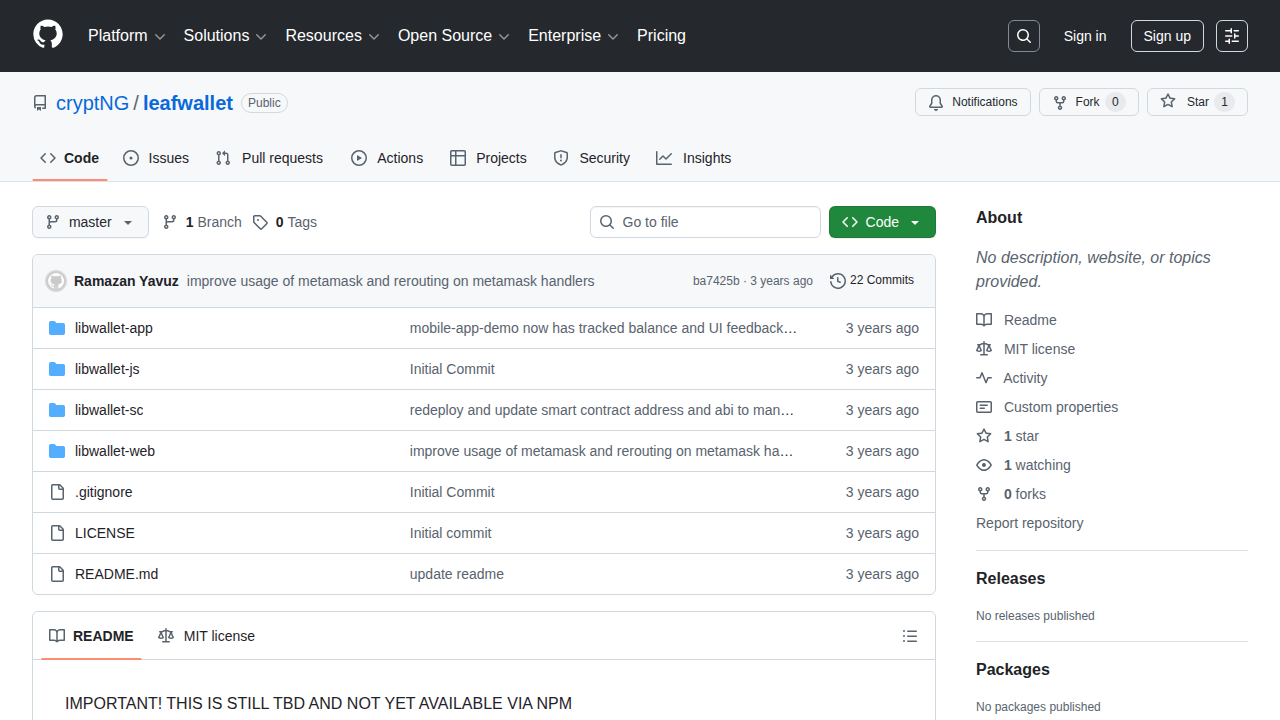
A paradigm for accountless crypto wallet generation and ownership. An Ethereum dApp library for wallet-free transaction signing.
View on GitHub ↗